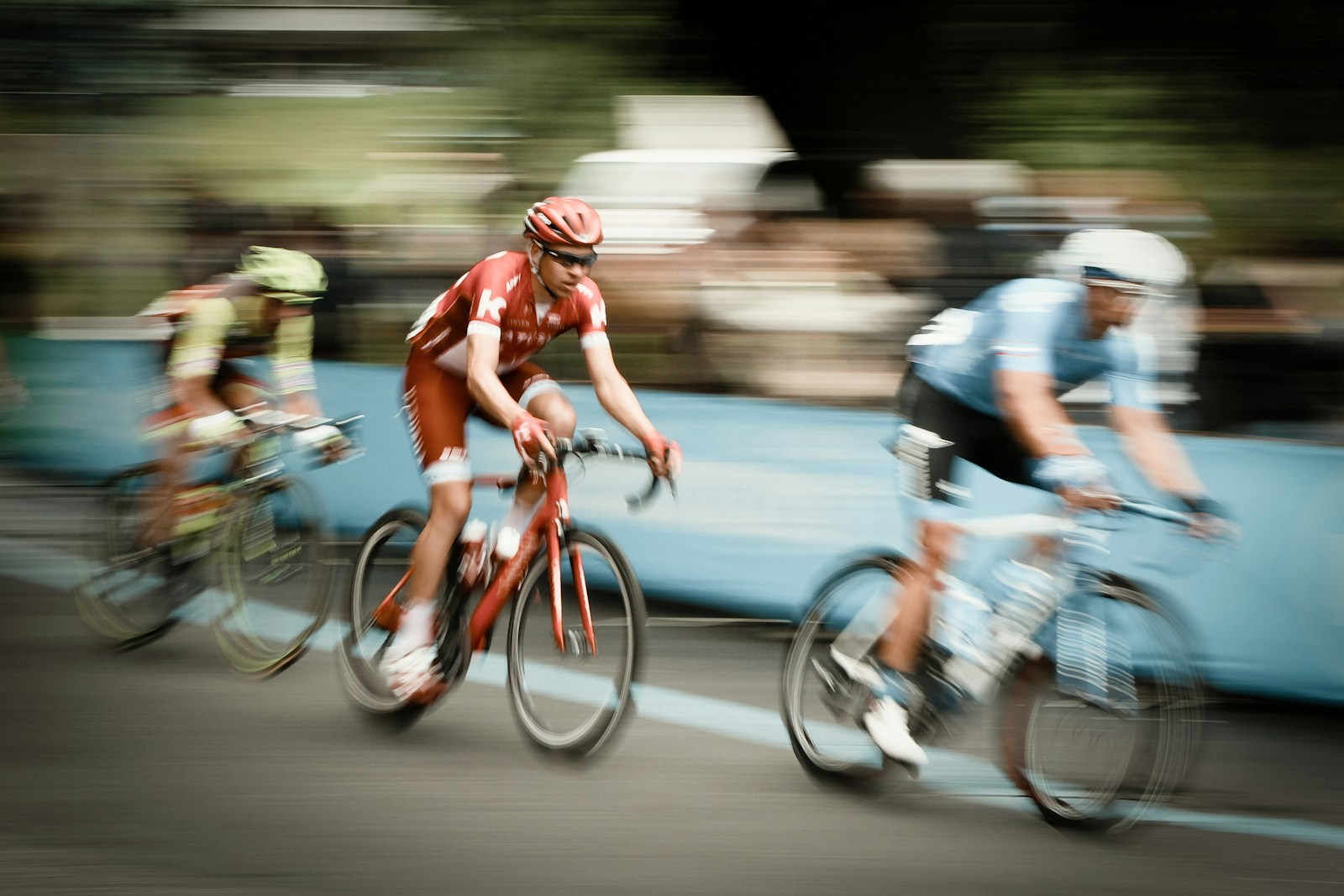
Living and riding in Cape Town means cycling is more than exercise, it’s a lifestyle. With events like the Cape Town Cycle Tour approaching, many riders increase their mileage quickly.
Cycling is exceptional for cardiovascular health and joint-friendly conditioning, but its repetitive nature means small errors can become persistent injuries.
This guide covers:
- Cycling technique optimisation
- Preventing common cycling injuries
- Strength training for cyclists
- Safe return-to-ride strategies
1. Cycling Technique Optimisation: Reduce Joint Stress & Improve Efficiency
Saddle Height and Knee Load
- Too low → increased anterior knee compression
- Too high → hamstring strain and hip rocking
Aim for 25–35° knee flexion at the bottom of the pedal stroke.
Knee Tracking & Cleat Position
Knees should track in line with the second toe.
Excessive inward collapse or outward flare often indicates:
- Hip control deficits
- Cleat malalignment
- Bike fit issues
Optimal Cadence for Injury Prevention
Most recreational cyclists benefit from 80–95 rpm.
Low cadence “grinding” increases knee stress and patellofemoral load.
Upper Body Posture & Neck Pain Prevention
- Relaxed shoulders
- Light grip
- Neutral spine
Persistent neck or lower back stiffness often reflects:
- Inadequate endurance capacity
- Poor bike setup
- Limited thoracic mobility
2. Common Cycling Injuries in Cape Town Riders
Most cycling injuries are load-related, not traumatic.
Early Warning Signs Not to Ignore
Pain that:
- Improves during the ride but worsens later
- Persists the next morning
- Alters your pedal stroke
Most Common Cycling Injuries We Treat
- Anterior knee pain
- ITB injuries
- Achilles tendon overload
- Lower back stiffness
- Neck strain
Early physiotherapy assessment prevents chronic patterns.
3. Strength Training for Cyclists: Why Individualisation Matter
Cycling is predominantly sagittal-plane and repetitive.
Without complementary strength work, riders develop:
- Hip weakness
- Calf overload
- Trunk endurance deficits
- Asymmetry after injury
A Proper Cycling Strength Programme Should:
- Address individual biomechanics
- Match your training phase
- Progress with your mileage
- Restore symmetry after injury
Generic online programmes rarely address what your body specifically needs.
4. Building Cycling Endurance Without Overload
Many recreational cyclists fluctuate between pushing too hard and then needing time off due to fatigue or niggles.
Endurance is built through progressive, consistent loading over time. Not occasional big efforts.
Your body adapts when training load increases gradually and predictably. Muscles, tendons and joints develop greater tolerance when stress is introduced in manageable increments.
Rather than focusing on single demanding rides, think in terms of steady weekly progression and long-term consistency.
In cycling (as in rehabilitation) capacity must be built before performance can be maximised.
5. Recovery Strategies for Cyclists
Adaptation happens during recovery.
Prioritise:
- 7–9 hours sleep
- Adequate protein intake
- Hydration
- Active recovery spins
Warning signs of insufficient recovery:
- Elevated resting heart rate
- Persistent fatigue
- Declining performance
6. Returning to Cycling After Injury
Avoid “picking up where you left off.”
Phase 1 – Restore Baseline Capacity
- Pain-free range
- Strength symmetry
- Short, easy spins
Phase 2 – Gradual Volume Build
- Increase duration before intensity
- Monitor 24-hour symptom response
Phase 3 – Controlled Intensity Reintroduction
- Short intervals first
- Avoid consecutive hard days
If symptoms persist beyond 24 hours, reduce load.
The Bigger Picture
Cycling is one of the most sustainable ways to support heart health, muscular endurance, and mental wellbeing. But thriving on the bike requires:
- Efficient technique Intelligent load progression
- Individualised strength support
- Respect for recovery
Whether you’re preparing for the Cape Town Cycle Tour or simply riding for enjoyment, investing in how you ride (not just how far) makes all the difference. If you’re increasing mileage, noticing niggles, or returning after injury, a tailored assessment can help you ride strong, efficiently, and confidently for years to come.
Because longevity matters more than any single ride.